
Expanding a business internationally can be a thrilling opportunity for growth, but it is also fraught with challenges that require careful planning and strategy.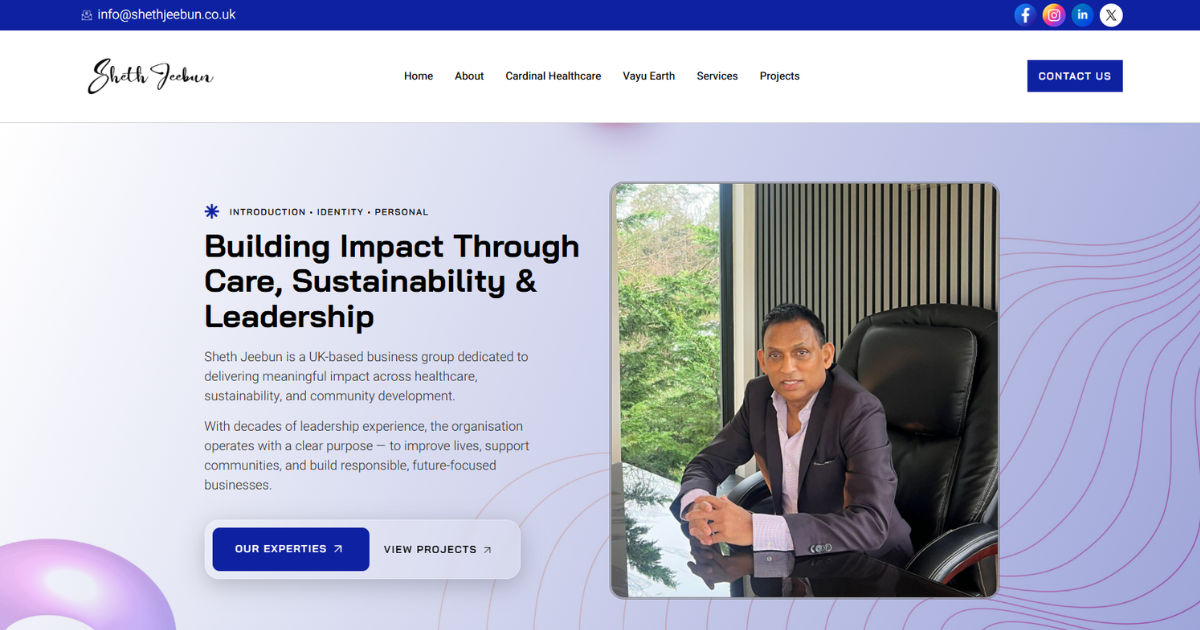
Companies looking to enter foreign markets must navigate a complex mix of cultural, legal, economic, and operational hurdles.
Leaders like Sheth Jeebun elderly care leadership have demonstrated that understanding these challenges is key to long-term success in global markets.
In this guide, we will explore the major obstacles businesses face when expanding internationally and how to overcome them.
Why Companies Expand Internationally
International expansion allows companies to increase their market share, diversify risk, access new talent, and benefit from economies of scale. Many businesses also expand abroad to take advantage of new customer bases or lower production costs. However, the potential rewards come with significant risks that cannot be ignored.
Businesses often underestimate the difficulties of entering foreign markets. While local success might suggest readiness for global growth, the international landscape introduces variables that can disrupt even the most well-planned strategies.
Cultural Challenges in International Business
One of the most significant obstacles in global expansion is understanding and adapting to different cultural norms. Culture affects communication, decision-making, negotiation styles, and customer expectations.
Communication Barriers
Language differences can create misunderstandings and misinterpretations. Even when businesses use a common language like English, idioms, tones, and non-verbal cues can vary greatly across cultures. Miscommunication can lead to errors in contracts, marketing campaigns, and client relationships.
Work Ethics and Management Styles
Cultural differences also influence management practices. In some countries, hierarchical structures dominate, while others favor collaborative decision-making. Leaders like Sheth Jeebun elderly care leadership highlight that understanding local work culture is critical to motivate employees and build a productive team abroad.
Consumer Preferences
Customer behavior is often shaped by cultural values and societal norms. Products and services may need to be adapted to meet local tastes. For example, food and beverage companies often tweak flavors to match local preferences, while fashion brands adjust sizing or style to align with cultural expectations.
Legal and Regulatory Challenges
International business expansion is heavily influenced by the legal and regulatory environment of the target country. Ignoring these factors can result in fines, legal disputes, or even forced market exit.
Compliance with Local Laws
Every country has unique business laws, including labor regulations, taxation rules, intellectual property protections, and import-export restrictions. Companies must conduct thorough research to ensure compliance. For instance, data privacy regulations like GDPR in Europe require strict handling of customer data.
Licensing and Permits
Operating legally often requires multiple permits, licenses, and registrations. These processes can be time-consuming and expensive, particularly in countries with bureaucratic systems. Delays in obtaining licenses can slow down market entry and increase operational costs.
Intellectual Property Protection
Protecting patents, trademarks, and copyrights is more complex internationally. Businesses must register their intellectual property in each country to avoid infringement or counterfeiting issues. Leaders with experience in global markets, such as Sheth Jeebun elderly care leadership, emphasize the importance of robust IP strategies.
Economic and Financial Challenges
Financial considerations play a significant role in the success of international expansion. Businesses must carefully evaluate costs, pricing strategies, and currency risks.
Exchange Rate Volatility
Currency fluctuations can significantly affect profits. Companies that invoice in foreign currencies or maintain overseas operations are vulnerable to exchange rate risk. Hedging strategies and careful financial planning are essential to mitigate this challenge.
Market Uncertainty
Economic stability varies across countries. Inflation, unemployment, and market demand can fluctuate, impacting sales projections and profitability. Businesses need contingency plans to navigate economic turbulence.
Funding and Investment
International expansion often requires substantial upfront investment. Setting up infrastructure, hiring local staff, and complying with regulations can strain financial resources. Securing funding through investors or loans may be necessary, but it comes with its own challenges.
Operational and Logistical Challenges
Even after legal, financial, and cultural challenges are addressed, companies face operational hurdles that can hinder smooth international operations.
Supply Chain Management
Global supply chains are complex and susceptible to disruptions, including transportation delays, customs inspections, and geopolitical events. Companies must develop flexible supply chain strategies to maintain efficiency and reliability.
Talent Acquisition and Retention
Finding skilled employees in a foreign market can be difficult. Recruiting local talent requires knowledge of the job market, cultural expectations, and labor laws. Retaining these employees may also require competitive compensation and benefits packages.
Technology and Infrastructure
Technology compatibility and infrastructure quality differ across countries. Companies may encounter challenges integrating systems, ensuring data security, and maintaining operational efficiency. Leaders like Sheth Jeebun elderly care leadership stress the importance of investing in reliable technology solutions for international operations.
Marketing and Branding Challenges
Marketing internationally is not just about translating content; it involves adapting strategies to resonate with local audiences.
Adapting Brand Messaging
Brand messaging that works in one country may fail in another. Cultural sensitivity, local values, and social norms must be considered in marketing campaigns. Businesses should conduct market research to understand what resonates with local consumers.
Competition Analysis
Entering a new market often means competing with established local businesses. Companies must analyze competitors’ strengths, weaknesses, pricing, and customer loyalty. Understanding local competition helps in positioning products effectively.
Digital Marketing Differences
Online platforms, social media usage, and digital marketing trends vary globally. What works in one market may not be effective in another. Tailoring digital strategies to local behavior is critical for successful engagement.
Political and Geopolitical Risks
Political stability and government policies significantly affect international business operations.
Regulatory Changes
Sudden changes in trade regulations, tariffs, or foreign investment rules can impact profitability. Businesses must monitor policy developments and engage with local experts to remain compliant.
Geopolitical Conflicts
Conflict or tension between countries can disrupt operations, supply chains, and trade relations. Companies must assess geopolitical risks and develop contingency plans.
Government Relations
Building relationships with local authorities can facilitate smoother operations. Understanding government expectations, regulations, and incentives is important for long-term success.
Strategies for Overcoming Challenges
Despite the numerous challenges, careful planning, research, and strategic execution can enable successful international expansion.
Conduct Market Research
Thorough research helps businesses understand local markets, consumer behavior, and competitive landscapes. Market analysis is critical for informed decision-making.
Develop Local Partnerships
Collaborating with local businesses, distributors, or agents can ease market entry. Partnerships provide valuable insights, reduce risks, and enhance credibility.
Hire Local Expertise
Employing local managers, legal advisors, and marketing professionals ensures that operations align with cultural, legal, and economic realities.
Implement Risk Management Plans
Risk assessments and contingency plans for financial, operational, and geopolitical risks are essential. Businesses must remain flexible and ready to adapt to unforeseen challenges.
Leverage Technology
Investing in technology solutions for communication, supply chain management, and digital marketing helps streamline operations and maintain competitiveness.
Focus on Leadership
Strong leadership is crucial for navigating complex international challenges. Leaders like Sheth Jeebun elderly care leadership emphasize vision, adaptability, and cross-cultural sensitivity as key traits for success.
Conclusion
Expanding internationally is an exciting opportunity that offers significant rewards but comes with equally significant challenges. Companies must navigate cultural differences, legal regulations, financial risks, operational hurdles, and political uncertainties. By conducting thorough research, developing local partnerships, hiring expert talent, and applying effective risk management strategies, businesses can overcome these obstacles. Leaders such as Sheth Jeebun elderly care leadership exemplify how strategic thinking, cultural sensitivity, and robust planning are essential for thriving in international markets. With the right approach, businesses can successfully expand across borders and achieve sustainable growth in the global economy.